
In an era where asphalt and concrete driveways dominate the housing landscape, there exists a hidden gem that provides a cost-effective and durable alternative: tar and chip driveways. Often overlooked and underappreciated, tar and chip driveways offer a unique blend of affordability and longevity, making them a viable option for homeowners seeking a reliable and aesthetically pleasing driveway solution.
This article aims to delve into the world of tar and chip driveways, exploring their cost-effectiveness, durability, installation process, and the multitude of benefits they bring to the table.
Unearthing the secrets behind the anachronistic charm of tar and chip driveways, it becomes evident that their cost-effectiveness is a key factor in their enduring popularity. Unlike their more conventional counterparts, tar and chip driveways present a more budget-friendly option, making them an attractive choice for homeowners looking to enhance their property without breaking the bank. Additionally, the combination of tar and stone chips not only creates a visually appealing surface but also contributes to their longevity.
By providing a protective layer that shields the underlying materials from the elements, tar and chip driveways boast impressive durability, ensuring their ability to withstand the test of time. As we embark on a journey to uncover the intricacies of tar and chip driveways, it is essential to understand their installation process, the benefits they offer, and ultimately why they deserve the recognition they have been denied for far too long.
Cost-effectiveness of Tar and Chip Driveways
The cost-effectiveness of tar and chip driveways can be evaluated by comparing the initial installation costs, maintenance expenses, and the lifespan of the pavement.
When considering the cost-effectiveness of tar and chip driveways, it is important to take into account the initial installation costs. Tar and chip driveways are generally more affordable compared to other paving options such as asphalt or concrete. The materials used in tar and chip driveways, such as gravel and liquid asphalt, are relatively inexpensive, making the initial installation cost lower. Moreover, the installation process of tar and chip driveways is relatively simple and doesn’t require specialised equipment, further reducing the overall cost.
Another factor to consider when assessing the cost-effectiveness of tar and chip driveways is the maintenance requirements. Tar and chip driveways typically require minimal maintenance compared to other types of pavement. Regular sweeping and occasional reapplication of the top layer may be necessary to maintain the appearance and functionality of the driveway. However, this maintenance is relatively simple and can be done by homeowners themselves, eliminating the need for professional assistance. This reduces the overall maintenance expenses associated with tar and chip driveways.
Furthermore, the lifespan analysis is crucial in determining the cost-effectiveness of tar and chip driveways. Although tar and chip driveways may not have the same lifespan as asphalt or concrete, they can still provide a durable and long-lasting pavement solution. With proper maintenance, tar and chip driveways can last for several years before requiring significant repairs or resurfacing. Considering the lower initial installation costs and minimal maintenance requirements, the lifespan of tar and chip driveways can be considered satisfactory in terms of cost-effectiveness.

Durability of Tar and Chip Driveways
Despite being a popular choice among homeowners, the longevity of tar and chip driveways is still a topic of debate among experts. While some argue that tar and chip driveways can last up to 10 years or more, others claim that their lifespan is significantly shorter. The durability of tar and chip driveways depends on various factors such as climate, usage, and maintenance.
To engage the audience further, here are five key points to consider regarding the longevity of tar and chip driveways:
- Climate: The durability of tar and chip driveways can be influenced by the climate in which they are installed. Extreme temperature variations and harsh weather conditions, such as freezing and thawing cycles, can cause the surface to crack and deteriorate more quickly.
- Usage: The amount and type of traffic on the driveway can also affect its longevity. Heavy vehicles or frequent use can lead to wear and tear, reducing the lifespan of the surface.
- Maintenance: Proper maintenance is essential to maximise the lifespan of tar and chip driveways. Regular sealing and crack repairs can help prevent water infiltration, which can cause damage to the underlying layers and accelerate deterioration.
- Surface preparation: The longevity of tar and chip driveways can be influenced by the quality of surface preparation before installation. Adequate grading, compaction, and application of proper base materials are crucial to ensure a stable and durable driveway.
- Material quality: The quality of the materials used, including the type of aggregate and binder, can impact the lifespan of tar and chip driveways. High-quality materials are more likely to withstand heavy use and resist deterioration over time.
Considering these factors, homeowners should carefully assess the climate, usage, and maintenance requirements of tar and chip driveways before making a decision. Regular upkeep and attention to potential issues can help extend the lifespan of these driveways, ensuring a durable and long-lasting surface.
Installation Process of Tar and Chip Driveways
One crucial step in the process of installing a durable and long-lasting surface for your property’s entryway involves meticulously preparing the ground and ensuring a stable foundation. The installation process of tar and chip driveways follows a systematic approach to ensure the longevity and functionality of the surface.
Firstly, the existing driveway or surface is thoroughly cleaned and cleared of any debris, including dirt, rocks, and vegetation. This step is essential as it ensures a smooth and even base for the tar and chip application. Following the cleaning process, any existing cracks or potholes are repaired to prevent further damage and to maintain a uniform surface. This is done by filling the cracks with an appropriate filler material, such as asphalt emulsion or hot tar, and compacting it to create a level surface.
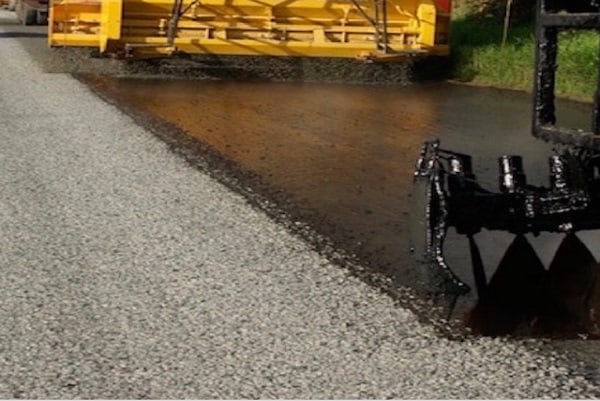
Once the preparation is complete, a layer of hot liquid asphalt is applied to the surface. This acts as a binder and helps the stone chips adhere to the driveway. The next step involves evenly spreading the stone chips over the hot asphalt layer. These stone chips are available in various sizes and colours, allowing homeowners to choose the desired aesthetic for their driveway. After the stone chips are applied, a roller is used to firmly press them into the asphalt, ensuring proper adhesion. This step is crucial as it enhances the durability and stability of the tar and chip driveway.
Finally, excess stone chips are swept away from the surface, and the driveway is left to cure for a designated period. Overall, the installation process of tar and chip driveways requires careful preparation and attention to detail to create a durable and aesthetically pleasing surface for your property’s entryway.
When considering the installation of tar and chip driveways, it is important to assess their maintenance requirements and lifespan in comparison to other driveway options. Tar and chip driveways have relatively low maintenance requirements compared to other surfaces, such as concrete or asphalt. Regular sweeping to remove debris and occasional reapplication of a new layer of stone chips may be necessary to maintain the desired appearance and functionality. Additionally, the lifespan of tar and chip driveways can vary depending on factors such as climate, usage, and maintenance. However, when properly installed and maintained, tar and chip driveways can last for many years, often exceeding the lifespan of asphalt driveways. This makes them a cost-effective and durable choice for homeowners looking for a long-lasting and aesthetically appealing driveway option.
Benefits of Tar and Chip Driveways
A study conducted by a leading construction research institute found that tar and chip surfaces offer a cost-effective solution for homeowners, with an average savings of 30% compared to traditional asphalt driveways. This makes tar and chip driveways an attractive option for those looking to enhance the curb appeal of their property without breaking the bank.
In addition to the cost savings, tar and chip driveways also boast impressive longevity. When properly installed and maintained, these driveways can last up to 10 years or more. This durable surface is achieved by applying layers of hot liquid asphalt, followed by a layer of stone chips that are then compacted into the surface. The result is a hard-wearing driveway that can withstand heavy traffic and harsh weather conditions.
Maintenance requirements of tar and chip driveways are relatively low compared to other options. Regular sweeping and occasional reapplication of a sealant will help to maintain the integrity of the surface. Additionally, any cracks that may appear can be easily filled with a bituminous crack filler. This simple maintenance routine ensures that the driveway remains functional and visually appealing for years to come.
To further illustrate the benefits of tar and chip driveways, the table below provides a comparison between tar and chip, asphalt, and concrete driveways:
| Tar and Chip | Asphalt | Concrete | |
|---|---|---|---|
| Cost | 30% savings | Moderate | Expensive |
| Longevity | Up to 10 years | 15-20 years | 20+ years |
| Maintenance | Low | Moderate | High |
| Curb Appeal | Natural, rustic look | Smooth, black finish | Versatile options |
As the table demonstrates, tar and chip driveways offer a cost-effective alternative with comparable longevity to asphalt driveways and lower maintenance requirements compared to concrete driveways. These factors make tar and chip driveways a practical choice for homeowners seeking a durable and aesthetically pleasing driveway option.
Frequently Asked Questions
How long does a tar and chip driveway typically last?
The durability of a tar and chip driveway depends on various factors, including climate conditions and maintenance. It typically lasts around 7 to 10 years, offering benefits such as cost-effectiveness and a textured surface. However, the installation process can be time-consuming and requires skilled professionals.
Can a tar and chip driveway be resurfaced or repaired if it gets damaged?
Resurfacing options for damaged driveways typically depend on the severity of the damage. Common damages include cracks, potholes, and surface erosion. Repairs may involve filling cracks and potholes, applying a new layer of tar and chip, or completely resurfacing the driveway.
Are tar and chip driveways suitable for areas with heavy snowfall or extreme weather conditions?
The suitability of tar and chip driveways for areas with heavy snowfall or extreme weather conditions depends on the pros and cons of this type of driveway.
The advantages include durability and low maintenance, while the disadvantages include potential damage from snow plows and the need for regular resealing.
What is the maintenance required for a tar and chip driveway?
Maintenance for tar and chip driveways involves periodically sealing cracks, patching any damage, and reapplying a new layer of chip seal. Regular sweeping and cleaning of debris is also necessary. The benefits of tar and chip driveways include durability, affordability, and low maintenance requirements.
How does the cost of a tar and chip driveway compare to other types of driveways, such as asphalt or concrete?
The cost comparison between tar and chip driveways and other types, such as asphalt or concrete, should consider factors like initial installation costs, long-term maintenance expenses, and durability comparison.
Call us to get a price quote on a tarmac. Contact us today on 07595 510190 to receive a free quote or visit our website.

Are you considering building a two car driveway? If so, you may be curious about how wide it should be. Read more

New dropped kerb and car park for customer on previously overgrown land. Now they have convenient car parking for their Read more

Driveways are essential parts of our homes that serve as the entry point for our vehicles. Over time, driveways can Read more